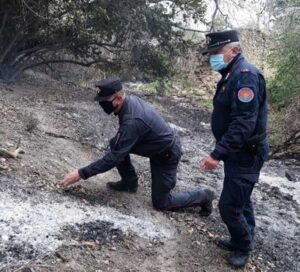
11. Forest fires. Techniques of scientific technical collection on topsoil crossed by fires for the detection of the causes of ignition. Advanced course This programme has been planned in order to give learners, who have successfully passed the “basic module”, scientific technical methodology necessary to carry out the activities of strategic analysis on the forest topsoil hit by fire. The methodology in question is based on the knowledge and the commitment of open source GIS software (Qgis) in […] Read more »
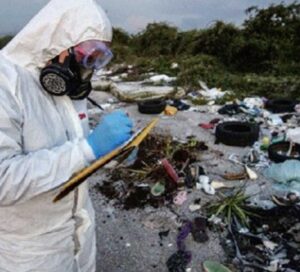
12. Best practices to combat pollution and environmental disasters This course is divided into two parts. The first part consists of a normative and an illustrative session relating to the investigative process aimed at identifying the causes of pollution and the study of technical assessments for the identification of pollutant agents. The second part focuses on the procedures enabling pollution assessment and risk analysis, […] Read more »
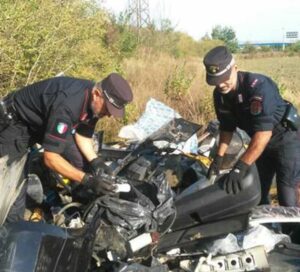
13. The environmental police with particular reference to the activities organised for national and transboundary illicit waste traffic This course is organised into two parts: the first part concerns definitions (of waste, environmental permits, documentation, etc.); the second part is related to the analysis of practical aspects, in the course of which the criminal modalities will be explained, along with the operational outcomes characterised by significant modus operandi. Finally, the examination of “case […] Read more »
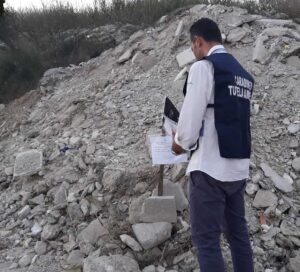
14. The environmental police with particular reference to the so-called cement cycle The course is divided into two main training phases. The first one is devoted to the normative framework (Environmental Code and Presidential Decree 128/59 on the matters of mines and quarries) and to the illustration of the investigative procedures to counter illegal mining activities of aggregates (when linked both to the lack of authorisations and […] Read more »